So, now you know how important it is to test for radon. Choosing a radon gas test kit is the first step in protecting your health and safety! How do you choose a radon test kit? All radon test kits perform the same function. Each one will absorb or track the radon in the building for a very specific amount of time. Then the sample is sent to our lab for an analysis. Lab results for short term air and water tests are typically available the next business day after we receive them. Long Term results take approximately two to three weeks for processing.


Choose a short term test for faster results. Short term tests are ideal for the initial screening of radon levels in a building. These tests require 48 to 96 hours of exposure in the space to be tested. A property can be tested using one short term test canister or vial, however it is recommended that two test canisters/vials be used at the same time (simultaneous). One could be deployed in the lowest living space of the property and the other set in the room that is occupied the most. This would help determine the scope of the radon concentration. Most Real Estate Transactions would utilize a short term radon test since there is limitation of turnaround time available for results. The EPA recommends 'side-by-side testing' (2 canisters/vials are set 4" apart) for Real Estate Transactions to verify accuracy. Charcoal canisters and charcoal liquid scintillation detectors are passive devices that are easy to use. If the directions are followed carefully, either will give you the same result. The liquid scintillation tests are a little easier to use, less expensive and have a slighter margin of error.

Choose a long term radon gas test for best results. Radon gas levels in a home are not the same every day, hour or week. Changes in the ground water level, weather, barometric pressure, how often windows and doors are opened and closed, the type of air conditioning/heating systems you use, and your family's lifestyle all contribute to the level of radon gas in your home each day. A long-term radon gas test will average your exposure to radon levels over a period of time, and experts agree that this gives a more conclusive test result. Some professionals will recommend the short term radon gas test first and follow up with the more comprehensive long term test. A long term test needs a 91 day to 12 month test period before it is sent to the lab for analysis.

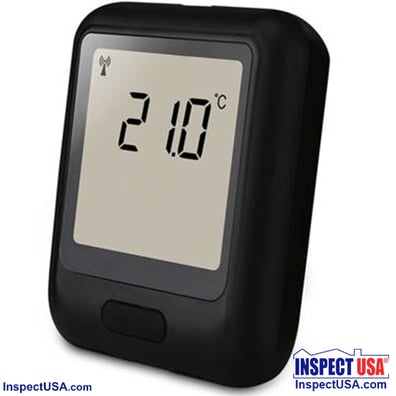
Choose a continuously monitoring radon device to provide both a short term and a long term analysis. This active device runs on a typical household electrical current. It will provide an initial reading within 48 hours. Keep it plugged in and it will continue to monitor the levels of radon in the building. If you have installed a radon mitigation system in your home, choose a continuously monitoring device to assure that radon is no longer entering the home.
The EPA recommends that radon levels between 2 pCi/L through 4 pCi/L should be fixed. Long term exposure to radon increases the risk of lung cancer. Don't worry though- there are radon mitigation solutions to prevent radon from entering your home!
Radon in water test kits are available also.