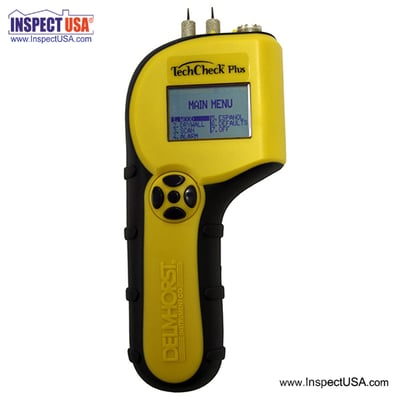

Minimize accidents and health risks. Provide an instant-read WBGT Wet Bulb Globe Temperature Heat Index Monitor on site.
Heat stress leads to heat stroke, and it kills indiscriminately. Anyone is at risk when the body is unable to cool itself down quickly enough. This is common during strenuous activity in high heat and humidity, and the risk increases substantially when radiant heat from the sun and dehydration are added to the mix. By the time you feel thirsty, you may already be dehydrated.
Operations that involve radiant heat sources, direct physical contact with hot objects, or strenuous physical activity have a high potential for inducing heat stress when combined with high humidity and high air temperatures — particularly where workers have not built up an adequate tolerance. Such workplaces include iron and steel foundries, nonferrous foundries, brick-firing and ceramic plants, glass products facilities, rubber products factories, electrical utilities (particularly boiler rooms), bakeries, confectioneries, commercial kitchens, laundries, food canneries, chemical plants, mining sites, smelters, and steam tunnels.
Outdoor operations conducted in hot weather — such as athletic training, hiking, construction, refining, asbestos removal, and hazardous waste site activities — are also likely to cause heat stress among exposed workers, especially when the job requires semipermeable or impermeable protective clothing. In addition, some medications, and even a hangover, can be contributing factors.
Heat stress occurs when the body absorbs heat from the environment faster than it can cool itself back down. It is important that our bodies maintain a consistent internal temperature. The body normally regulates heat by evaporating sweat and by changing the blood flow to the skin. Once it falls behind in that cooling process (typically above 100°F), the heat begins to defeat the brain's ability to keep up. As a result, the risk of accidents rises and physical symptoms begin to occur.
Heat stress is the pathway to a far more serious condition called heat stroke. Heat stroke can be fatal; however, the body will pass through several stages of heat illness before it reaches that point.
Stages of Heat Illness
- Heat Stress: sweating begins and the body feels hot; body temperature stays normal (approximately 98.6°F).
- Heat Fatigue: muscle weakness, headache, and thirst; skin feels cool and moist; body temperature stays normal.
- Heat Syncope: slight dizziness or a faint feeling; skin may be pale; heavy sweating, but skin feels cool and moist; body temperature stays normal.
- Heat Cramps (serious): severe pain in the muscles of the legs and arms, along with abdominal pain; skin feels cool and moist; body temperature rises, but is still within the normal range.
- Heat Exhaustion (dangerous): thirst, giddiness, weakness, poor coordination, or nausea; heavy sweating, with cold and clammy skin; body temperature rises, but is still within the normal range.
- Heat Stroke (life-threatening): skin is dry and red, and sweating has stopped; staggering, confusion, fainting, and a rapid pulse; body temperature rises above 104°F.
Prevention
- Prevent dehydration. Drink plenty of water; at least 1 cup every 15 minutes is a basic guideline. That is 16 ounces every half hour, or 1 gallon over an 8-hour workday. Your internal thirst meter is not responsive enough when you need that much water (typically, by the time you feel thirsty, you may already be dehydrated), so keep drinking regardless of how thirsty you feel.
- Avoid alcohol. Even though it's a liquid, alcohol dehydrates the body further and decreases the body's ability to cool itself.
- Avoid caffeine, high-sugar drinks, and heavy meals.
- Block out direct sun and other heat sources whenever possible.
- Set up a shade station and rest there regularly, out of the direct sun. Provide a manual or powered fan, a misting bottle, and clean, fresh, cool water. Don't forget the first aid kit.
- Know the signs and symptoms of heat-related illness, and monitor yourself and your coworkers regularly.
- Wear lightweight, light-colored, loose-fitting clothing and a wide-brimmed, lightweight hat with vents. Consider fabrics that breathe well and offer UV protection.
- Provide an easy method to measure the heat index on site. More info